This page explains how Monetra Pro works alongside development companies, what the engagement looks like from the developer's perspective, and how to think about community relations as part of project planning.
Every construction project creates disruption. Noise, dust, altered traffic patterns, changed street access, changed sightlines. These are unavoidable realities of building in an occupied urban environment. What is avoidable is the escalation of neighbor concerns into formal complaints, media coverage, or administrative delays.
The gap between a project that runs smoothly and one that faces repeated friction is rarely technical. It is almost always about communication. Neighbors who receive clear, timely information about what is happening and why are far more likely to accept the temporary inconvenience than neighbors who feel ignored or surprised.
Managing this communication requires dedicated attention. It is a different skill set from construction management, and it demands consistent presence throughout the project lifecycle. Most development teams are not structured to provide it. That is the gap Monetra Pro fills.
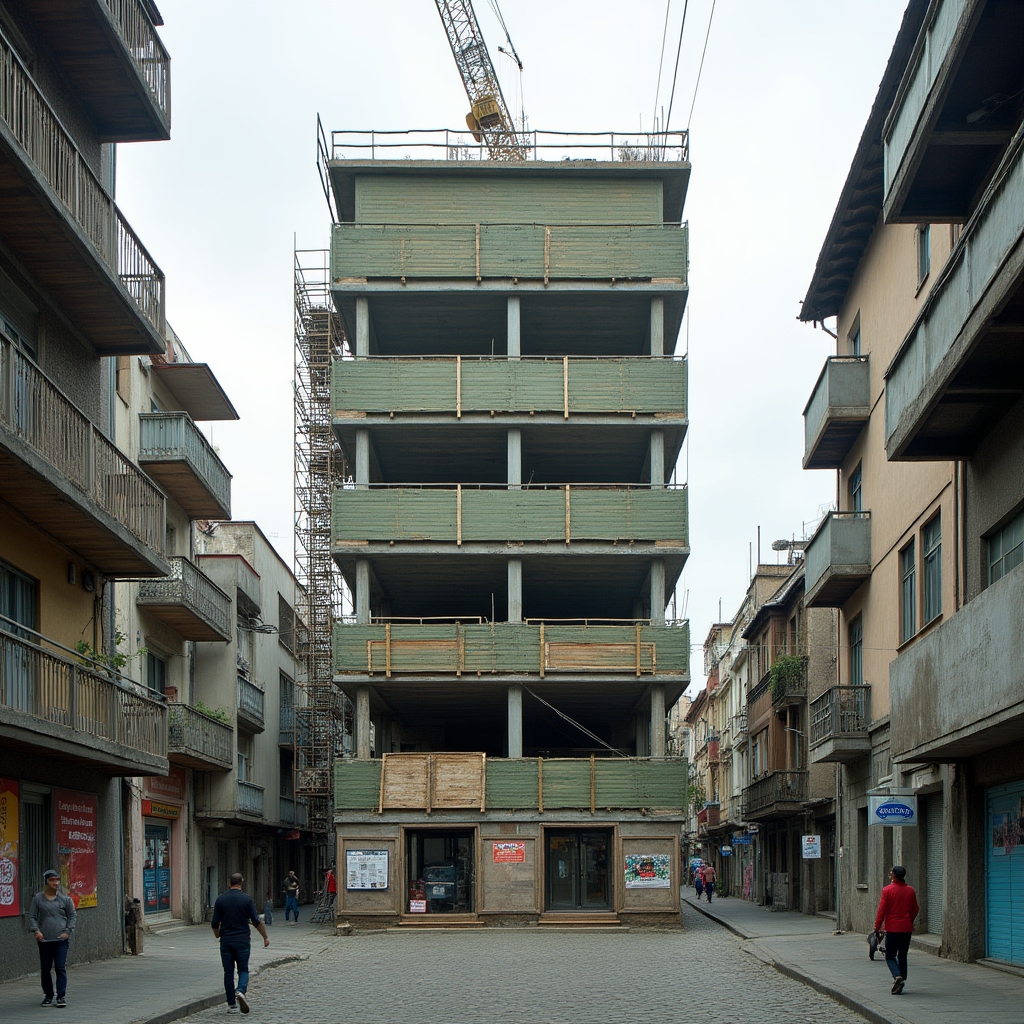
A typical engagement with Monetra Pro follows a structured sequence. The details vary by project, but the overall shape is consistent.
We review the project documentation, location, timeline, and any existing community concerns. We ask the development team about prior interactions with neighbors or municipal offices. This gives us the context we need to design a relevant engagement plan.
We identify who lives and works in the immediate project area, which organizations are active in the neighborhood, and which municipal offices will be relevant. We document this map and share it with the developer so both parties have a shared understanding of the social landscape.
We design a communication plan tailored to the project. This includes the channels we will use, the frequency of updates, the key messages for each stakeholder group, and the process for handling incoming inquiries. The developer reviews and approves the plan before implementation.
Before construction begins, we introduce the project to neighbors and relevant organizations. This may take the form of information notices, direct conversations, or small informational meetings depending on the context. The goal is to ensure the community has accurate information before any disruption occurs.
Throughout construction, we manage the community relations process: receiving inquiries, coordinating with municipal contacts, attending to concerns, and keeping the developer informed through regular structured reports. The developer is never left wondering about the state of community relations.
At the end of the engagement, we deliver a complete documentation package. This includes a full log of community interactions, a summary of how issues were resolved, and any relevant observations for future projects in the area.
New residential buildings and housing complexes in urban and peri-urban areas. These projects typically involve sustained engagement with immediately adjacent neighbors over extended construction periods.
Retail, office, and mixed-use developments that change the character of a street or block. These often require engagement with a broader range of stakeholders, including businesses operating nearby.
Utility installations, road works, and public infrastructure projects that affect daily life in a neighborhood. Communication requirements for these projects tend to be intensive and time-sensitive.
Schools, health facilities, and other institutional buildings that involve both construction disruption and long-term changes to neighborhood dynamics. Community relations for these projects requires particular sensitivity.
Tell us about your project and we will outline what a community relations engagement could look like for your specific context.